
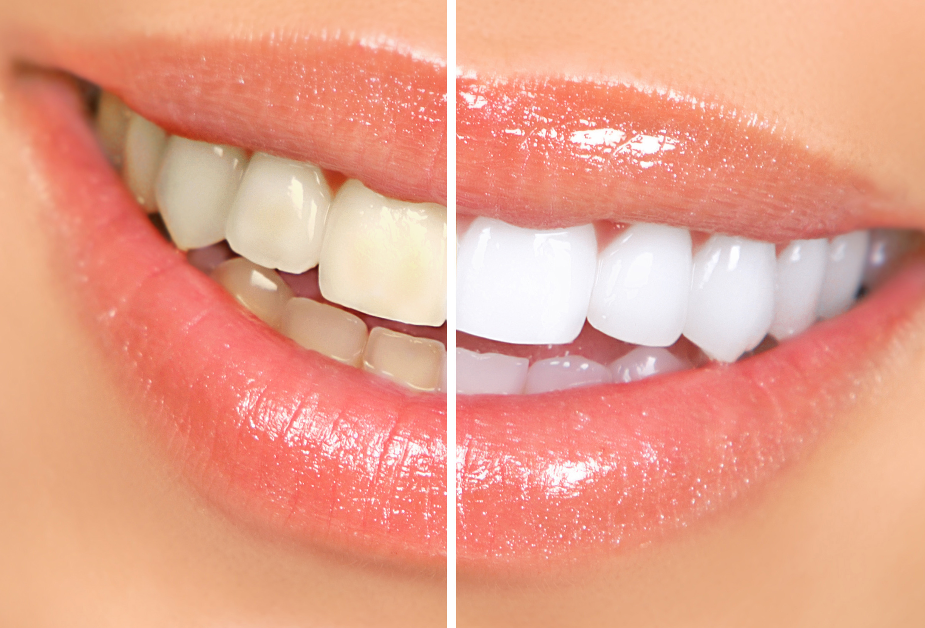
If you’ve ever noticed that your teeth seem stained or discolored despite brushing, flossing, and professional cleanings, you might wonder if it’s something you’re doing wrong. While lifestyle habits like coffee, tea, or smoking can certainly contribute to stains, sometimes the cause runs deeper. Genetics can play a significant role in the natural color and strength of your enamel, meaning that even with the best oral care, some people are predisposed to darker or more translucent teeth.
Understanding the Causes of Discolored Teeth
There are several factors that can contribute to tooth discoloration, and genetics is just one piece of the puzzle. For example, some people inherit enamel that is naturally thinner or more translucent, which can make the underlying dentin appear darker. Others may have enamel with a slightly different hue due to genetic variation, giving teeth a yellow, gray, or bluish tint.
Lifestyle factors also affect color. Foods and drinks such as coffee, red wine, and berries can stain teeth over time, while tobacco use accelerates discoloration. Certain medications and illnesses can also impact enamel development and color, particularly if exposure occurred during childhood when teeth were forming. Even some fluoride exposure variations—too little or too much—can affect enamel shade.
How Cosmetic Dentistry Can Help
The good news is that cosmetic dentistry offers a variety of solutions to restore a brighter, more uniform smile. Teeth whitening procedures are a common option for surface stains and can be tailored to your individual enamel type. For deeper or genetically influenced discoloration, veneers or bonding may be recommended. These treatments not only cover stains but can also reshape teeth and improve overall smile aesthetics.
A cosmetic dentist can evaluate the underlying cause of discoloration and recommend a personalized treatment plan. This approach ensures that results are long-lasting and natural-looking, rather than temporary or superficial. Regular dental checkups and cleanings also help maintain the results, protecting your teeth from new stains and supporting overall oral health.
Lifestyle Tips to Support a Brighter Smile
Even if genetics play a role, you can take steps to help minimize further staining. Limiting foods and beverages that are known to discolor teeth, maintaining good oral hygiene habits, and avoiding tobacco can all contribute to a healthier-looking smile. Drinking water after meals and using a soft-bristled toothbrush can reduce plaque and surface staining. Discussing at-home whitening options with your dentist can also complement professional treatments.
Addressing discolored teeth is possible, even when genetics are involved. With proper care and the guidance of a cosmetic dentist, you can achieve a smile that reflects your best self.
About the Practice
Dr. Weiss and Dr. Barker specialize in cosmetic dentistry solutions that help patients achieve brighter, healthier smiles. With a focus on personalized care, the practice evaluates the unique needs of each patient and provides tailored treatments such as teeth whitening, veneers, and bonding. Our approach combines advanced techniques with patient education, ensuring long-lasting results and enhanced confidence
Call us at (847) 864-0188 or schedule your appointment online.